Water and hydration when you are losing weight, a simple plan for the whole day

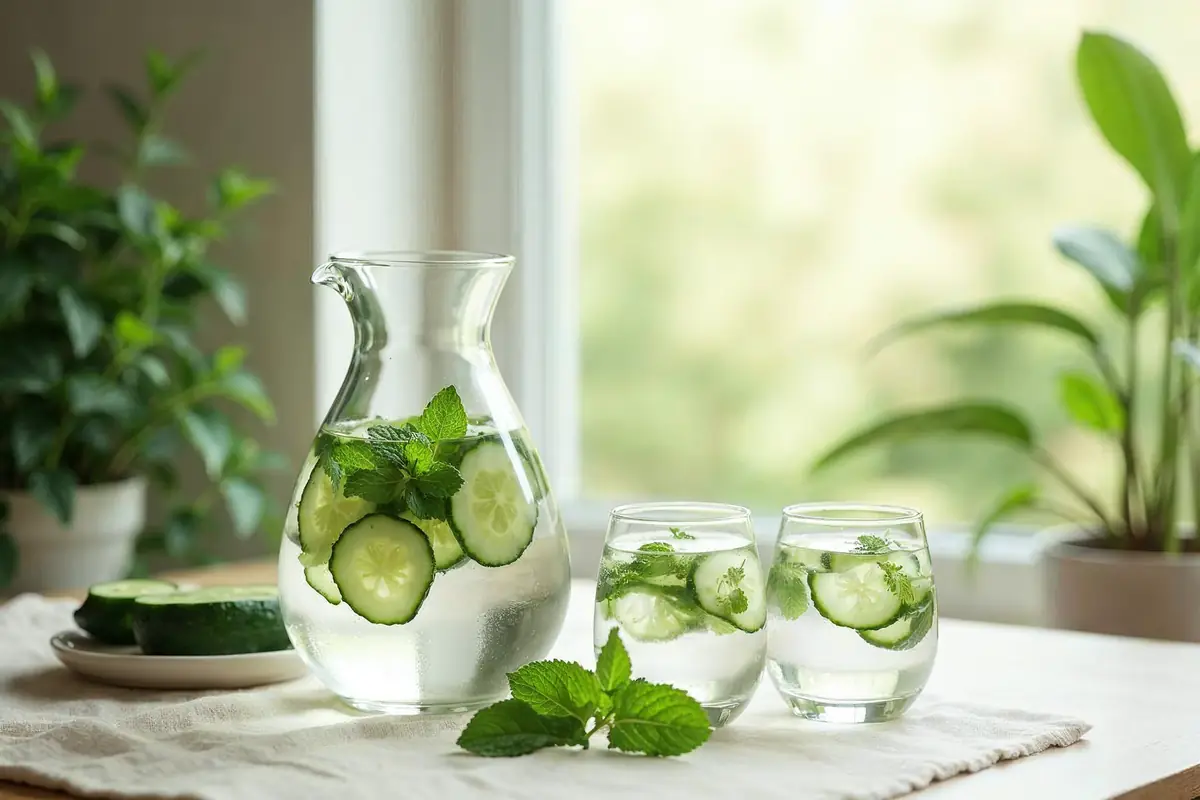
For most adults, 6 to 8 drinks across the day, roughly 1.2 to 2 litres, is enough, with extra on warm days or after exercise, and water is most useful for weight loss when it stands in for sweet or alcoholic drinks. Water on its own does not burn fat. What it does is replace kcal you would otherwise drink, and help you tell thirst apart from hunger.
Find out how much water you need
Your device does the sums. Nothing is stored or sent. Adults only.
Also take a look at the BMI calculator, the waist size calculator and every other calculator from the club.
How this sum is worked out
The European Food Safety Authority advises drinking enough to reach 2 L of water a day if you are a woman, or 2.5 L if you are a man, food water included. About 80% comes from drinks, which is 1.6 L and 2 L.
A coach at the club looks closely at where you stand and offers the best guidance.
Book your free assessmentIn this article
The official guide in plain numbers
The NHS page on water, drinks and your health sets the target the Eatwell Guide uses, 6 to 8 cups or glasses each day. Your morning tea, a coffee, lower-fat milk and drinks low in sugar are all included. With a glass at roughly 200 to 250ml, that adds up to between 1.2 and 2 litres. Food such as soup, fruit and yoghurt adds some on top.
A plan across the day
- On waking. A glass of water before your first coffee.
- With breakfast. A tea, a coffee or a glass of milk.
- Mid-morning. A refill of your bottle at your desk or in the van.
- With lunch. A glass of water rather than a fizzy drink.
- Mid-afternoon. Another glass, which often cuts the urge for a snack.
- With your evening meal. Water or a sugar-free squash.
Spread this way, 6 to 8 glasses hardly feels like an effort.
Your easiest kcal saving
A can of regular cola has around 139kcal and a large glass of orange juice more than 100kcal. Replacing one sweet drink each day with water is among the simplest changes there is. Alcohol counts too, and a large glass of wine can be over 200kcal. Our page on daily calories for weight loss puts these figures in context.
Thirst or hunger?
Mild thirst is easily mistaken for a wish to eat. When you feel like a snack between meals, drink a glass of water and wait 10 minutes. If you are still hungry, have a planned snack from our snack ideas list.
Signs you may need more
Dark yellow pee, headaches, tiredness and feeling dizzy can all be signs. The NHS page on dehydration and its symptoms lists them, with advice on when to get help. Pale yellow pee is a simple sign that you are drinking enough.
Making it a habit
Keep a bottle where you can see it. A walk along the Hessle foreshore on a windy afternoon is thirsty work, so take it with you. Tie a glass to moments that already happen, the kettle going on or sitting down at your desk. If tap water bores you, add slices of lemon, cucumber or mint.
Can you drink too much?
It is rare for healthy adults, but forcing down several litres beyond thirst is not useful. Drink steadily through the day. If you have a heart or kidney condition, your GP may give you different advice.
Starting the day on Main Street
At Willerby Nutrition, 24 Main Street, the morning begins with members sharing breakfast and a daily follow-up from coaches trained in nutrition, so the first drink of the day comes early. A free assessment is the first step. Our page on how to feel fuller for longer pairs well with this one.
Everything here is general guidance. It is no substitute for speaking to your GP, especially if you have been told to limit fluids.
Your own weight loss curve
Type in your profile and the line redraws immediately.
At the middle pace, 8 kg comes off in about 11 weeks. At the gentlest pace you are looking at about 4 months.
The usual guide for weight loss that lasts is between 500 g and 1 kg per week, which forms the best band on the chart. Keep exceeding 1 kg per week and the body burns muscle nearly as much as fat. That is the striped band.
A rough projection only. Everyone follows their own path and results differ. Your device does the sums and nothing is stored or sent. At 65 or older, see your doctor first.
The way this curve is worked out
The zone tops out at 500 g every week, the gentlest pace, and bottoms out at 1 kg every week, the level where the risk starts.
Early weeks go quicker, largely because of water, and then things level off. After 40, the typical curve flattens gradually as metabolism slows. For similar effort, men tend to shed weight slightly sooner than women.
The journey curve includes flat spells lasting several days and slight regains, just like everyday life. It cannot tell you how yours will go.
These tips are general ones. They do not stand in for medical advice.
Further reading

For help from day to day, take a look at the healthy eating programme.