Breakfast to lose weight, how to build one around the morning you actually have


The best breakfast to lose weight is one that combines protein with fibre, keeps added sugar low and fits the time you really have in the morning, because a breakfast you skip helps nobody. Rather than a perfect menu, think of breakfast as 3 slots you fill. Once you know the slots, you can build dozens of breakfasts without thinking.
A coach at the club looks closely at where you stand and offers the best guidance.
Book your free assessmentIn this article
Slot 1, something with protein
Protein is what keeps many people going until lunch. Eggs, plain Greek yoghurt, milk, cottage cheese, smoked salmon or a spoon of nut butter all count. It is also the slot most British breakfasts leave empty, since toast with jam or a bowl of flakes offers very little of it. Our page on how much protein you need each day explains why spreading it across meals works better than saving it for the evening.
Slot 2, something with fibre
Porridge oats, wholemeal toast, a high-fibre cereal without added sugar, berries or a pear fill this slot. Most adults in the UK eat far less fibre than the 30g a day recommended, and the NHS shows simple ways to get more fibre into your diet, starting at breakfast. Our guide to high-fibre foods lists more.
Slot 3, a fruit or a vegetable
A handful of berries on porridge, a sliced apple, grilled tomatoes or spinach in an omelette. It adds colour, volume and 1 of your 5 a day before 9am.
4 breakfasts by the time you have
- 2 minutes. Plain yoghurt, a handful of frozen berries and a spoon of oats stirred in.
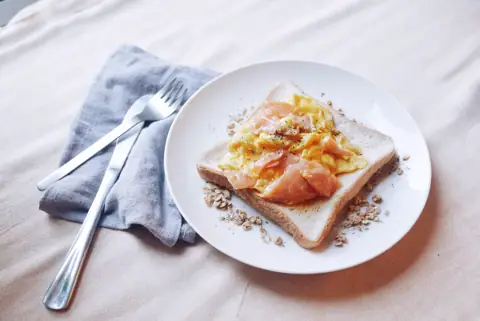
- 5 minutes. 2 scrambled eggs on 1 slice of wholemeal toast with a tomato.
- Made the night before. Overnight oats with milk, grated apple and cinnamon.
- Saturday. A vegetable omelette, a slice of rye bread and a coffee, with time to sit.
The swaps that make the biggest difference
Sugar hides in breakfast more than in any other meal. Fruit yoghurts, granola, cereal bars, pastries and fruit juice can add several teaspoons before the day has started. The NHS explains where sugar hides and easy swaps to cut it. Swap juice for whole fruit, granola for plain oats and a flavoured yoghurt for a plain one with fruit added yourself.
If you are not hungry first thing
That is fine. Have something small within 2 hours of waking, even a yoghurt and a piece of fruit at your desk. What matters is not arriving at lunch starving, which is when choices slip. If you often reach for something mid-morning, our snack ideas page may help.
Breakfast is where the day starts at Willerby Nutrition
Members take their breakfast at the club on Main Street in Willerby, which is open Monday to Friday from 7am to 11am and on Saturday from 8am to 11am. The coaches see everyone each morning, so the follow-up is daily, and a free assessment is the way to start.
This article is general guidance. It does not replace advice from your GP, especially if you have diabetes or another condition that affects how you eat.
Your own weight loss curve
Type in your profile and the line redraws immediately.
At the middle pace, 8 kg comes off in about 11 weeks. At the gentlest pace you are looking at about 4 months.
The usual guide for weight loss that lasts is between 500 g and 1 kg per week, which forms the best band on the chart. Keep exceeding 1 kg per week and the body burns muscle nearly as much as fat. That is the striped band.
A rough projection only. Everyone follows their own path and results differ. Your device does the sums and nothing is stored or sent. At 65 or older, see your doctor first.
The way this curve is worked out
The zone tops out at 500 g every week, the gentlest pace, and bottoms out at 1 kg every week, the level where the risk starts.
Early weeks go quicker, largely because of water, and then things level off. After 40, the typical curve flattens gradually as metabolism slows. For similar effort, men tend to shed weight slightly sooner than women.
The journey curve includes flat spells lasting several days and slight regains, just like everyday life. It cannot tell you how yours will go.
These tips are general ones. They do not stand in for medical advice.
Further reading

For help from day to day, take a look at the healthy eating programme.