Macronutrients explained through the diets that drop protein, carbs or fat

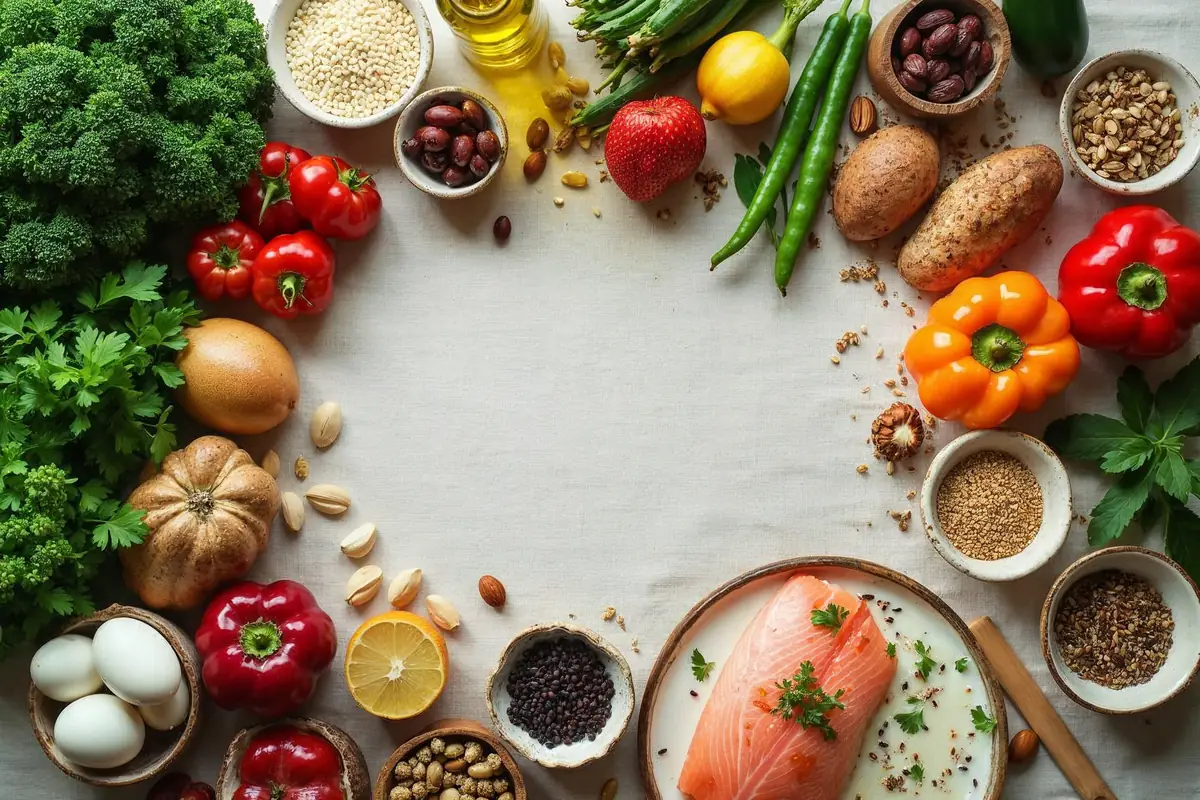
Macronutrients are the 3 nutrients that supply most of your energy, protein, carbohydrate and fat, and each does a job the other 2 cannot fully cover. That is why diets built on removing one of them often feel hard after a few weeks.
A coach at the club looks closely at where you stand and offers the best guidance.
Book your free assessmentIn this article
3 nutrients, 3 jobs
Carbohydrate is the main fuel for the brain and for working muscles. Fat carries vitamins A, D, E and K and provides essential fatty acids the body cannot make. Protein is building material for muscle, skin and the enzymes that keep the body running. The BDA fact sheet on fat and its different types notes that fat gives 9 kcal per gram, against about 4 kcal for carbohydrate and protein. Grams therefore do not compare evenly. A spoon of oil counts for far more than a spoon of rice.
The month without carbs
Dropping bread, potatoes, pasta and rice often brings a quick fall on the scales in the first week. Much of it is water stored alongside carbohydrate in the muscles and liver, and it returns as soon as starchy foods come back. Fibre usually drops at the same time, because wholegrains, oats and potatoes in their skins are big sources. The UK experts behind the SACN report on carbohydrates and health advise 30g of fibre a day for adults and suggest keeping free sugars under 5% of daily energy. The target is less sugar, not less starch. Our article on carbs and weight loss goes further.
The fat free fridge
Low fat yoghurts and desserts look virtuous, yet some replace the fat with sugar or starch. Cutting fat to almost nothing also leaves salads without the oil that helps you absorb fat soluble vitamins. A little olive or rapeseed oil, a small handful of nuts and a portion of oily fish each week do more good than a shelf of fat free products. See our page on healthy fats in sensible portions for amounts.
The meat and eggs plan
Protein is filling, and many people eat too little of it at breakfast. Yet a plan made almost entirely of meat, eggs and cheese pushes saturated fat up and leaves little room for fruit, vegetables and fibre. The NHS guide to meat in your diet reminds us that red meat brings iron, zinc and B vitamins, and also advises against eating too much red and processed meat. Beans, lentils, fish, eggs and dairy share the load.
All 3 on 1 plate
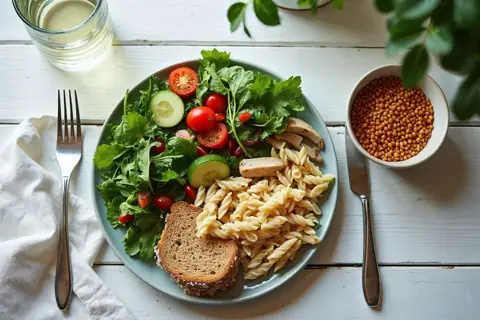
The simplest check is visual. A palm of protein, a fist of starchy food, half a plate of vegetables and a little fat for cooking or dressing. It works for a desk lunch in Hull and for a family tea in Kirk Ella alike, and no calculator is needed.
Starting with breakfast
At Willerby Nutrition, members have breakfast at the club before work, and the founders Phillipa and Pete Fox follow them daily alongside the rest of the coaches, all trained in nutrition. A first meal with all 3 macronutrients sets up the rest of the day, and your free assessment is the natural place to begin. Every body is different. If you live with a medical condition, ask your GP before changing the way you eat, because this guide is no substitute for medical advice.
Nutrient by nutrient





Your own weight loss curve
Type in your profile and the line redraws immediately.
At the middle pace, 8 kg comes off in about 11 weeks. At the gentlest pace you are looking at about 4 months.
The usual guide for weight loss that lasts is between 500 g and 1 kg per week, which forms the best band on the chart. Keep exceeding 1 kg per week and the body burns muscle nearly as much as fat. That is the striped band.
A rough projection only. Everyone follows their own path and results differ. Your device does the sums and nothing is stored or sent. At 65 or older, see your doctor first.
The way this curve is worked out
The zone tops out at 500 g every week, the gentlest pace, and bottoms out at 1 kg every week, the level where the risk starts.
Early weeks go quicker, largely because of water, and then things level off. After 40, the typical curve flattens gradually as metabolism slows. For similar effort, men tend to shed weight slightly sooner than women.
The journey curve includes flat spells lasting several days and slight regains, just like everyday life. It cannot tell you how yours will go.
These tips are general ones. They do not stand in for medical advice.
Further reading


For help from day to day, take a look at the healthy eating programme.