Vitamins guide, 8 everyday foods and the vitamins they bring to your plate

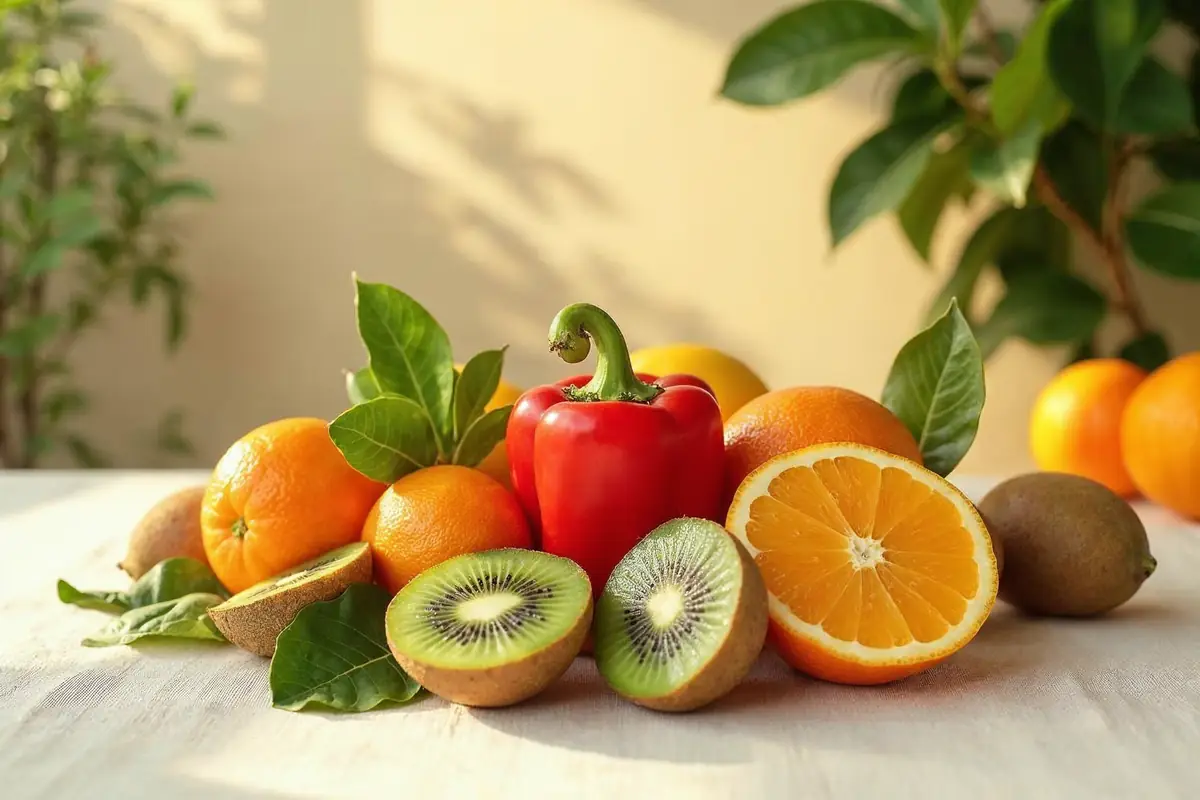
Most adults in the UK can get the vitamins they need from ordinary food, and 8 staples from a normal weekly shop cover a large part of the list. The exception is vitamin D in the darker months, covered further down.
A coach at the club looks closely at where you stand and offers the best guidance.
Book your free assessmentIn this article
From the fridge
Milk and yoghurt
Dairy brings vitamin B12 and vitamin A along with protein and calcium. The NHS page on dairy and alternatives in your diet suggests semi-skimmed, 1% or skimmed milk, which keep the nutrients with less saturated fat. Plant drinks should be unsweetened and fortified.
Eggs
An egg holds vitamin B12, vitamin A and a little vitamin D. Boiled or poached, it makes a quick breakfast or lunch.
From the vegetable rack
Peppers and broccoli
Both are rich in vitamin C, which the body cannot store, so you need some every day. Adults need about 40mg, which a few slices of red pepper easily cover.
Carrots and sweet potato
Their orange colour comes from beta carotene, which the body converts into vitamin A. Roast them in a teaspoon of oil, because fat helps absorption.
Spinach, cabbage and kale
Dark greens bring folate and vitamin K. The BDA fact sheet on folate and folic acid sets the adult need at 200 micrograms a day, and recommends steaming greens or boiling them briefly in little water to keep more of it. Anyone planning a pregnancy has separate advice in the same sheet.
From the cupboard and the counter
Fortified breakfast cereals
Many cereals have added B vitamins and iron. Pick those low in sugar and check the label, since some breakfast cereals carry more sugar than a biscuit. A plain wholegrain cereal with fruit on top is the safer choice.
Oily fish
Salmon, mackerel and sardines are among the few good food sources of vitamin D. A tin of sardines on wholemeal toast is cheap and quick.
Chicken and lean meat
Meat is a main source of vitamin B12 for many people. Those who eat little or none can rely on dairy, eggs and fortified foods, as our guide to protein needs also explains.
The vitamin food cannot fully cover
Between October and early March the sun in Yorkshire is too weak for the skin to make enough vitamin D. The NHS page on vitamin D explains the official advice for that season. Talk it over with your GP or pharmacist, especially if you rarely get outdoors.
A Saturday morning habit
On Saturdays, Willerby Nutrition opens from 8am to 11am, a relaxed time for breakfast at the club before a walk on the Westwood in Beverley. Ask for a free assessment when you come. Every situation is different, and this article does not replace advice from a doctor. For the other half of the story, read our guide to minerals.
Your own weight loss curve
Type in your profile and the line redraws immediately.
At the middle pace, 8 kg comes off in about 11 weeks. At the gentlest pace you are looking at about 4 months.
The usual guide for weight loss that lasts is between 500 g and 1 kg per week, which forms the best band on the chart. Keep exceeding 1 kg per week and the body burns muscle nearly as much as fat. That is the striped band.
A rough projection only. Everyone follows their own path and results differ. Your device does the sums and nothing is stored or sent. At 65 or older, see your doctor first.
The way this curve is worked out
The zone tops out at 500 g every week, the gentlest pace, and bottoms out at 1 kg every week, the level where the risk starts.
Early weeks go quicker, largely because of water, and then things level off. After 40, the typical curve flattens gradually as metabolism slows. For similar effort, men tend to shed weight slightly sooner than women.
The journey curve includes flat spells lasting several days and slight regains, just like everyday life. It cannot tell you how yours will go.
These tips are general ones. They do not stand in for medical advice.
Further reading

For help from day to day, take a look at the healthy eating programme.