Minerals guide, what helps your body absorb iron, calcium and zinc and what gets in the way

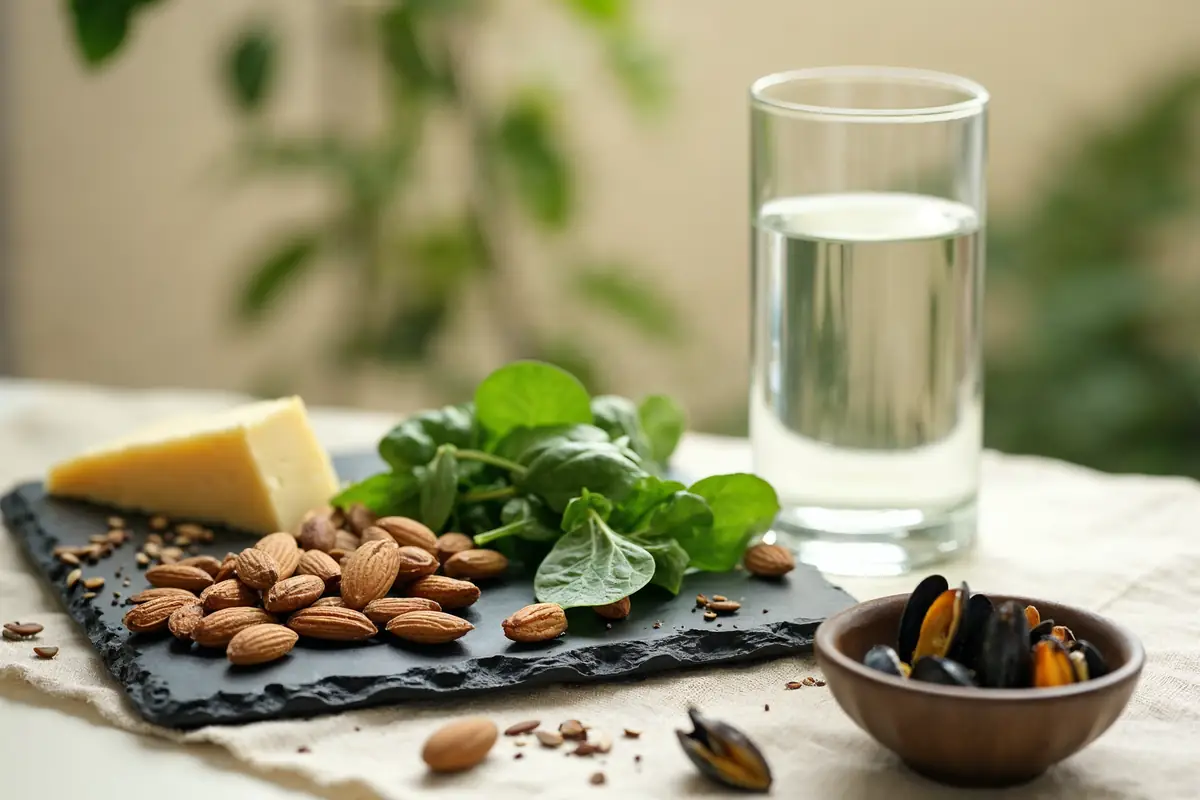
The amount of a mineral printed on a label is not the amount your body takes in, and simple pairings at the table can raise or lower what you absorb. Iron and calcium show it best.
A coach at the club looks closely at where you stand and offers the best guidance.
Book your free assessmentIn this article
Iron, the fussy mineral
The SACN report on iron and health found that most people in the UK have enough iron, but that toddlers, girls and women of reproductive age and some adults over 65 run a higher risk of low levels. Iron from meat and fish is absorbed more easily than iron from beans, greens and fortified cereals. Vitamin C increases iron absorption, so add peppers, tomatoes or a handful of berries to a plant based meal.
- Bean chilli with a pepper salad.
- Fortified cereal with strawberries.
- Lentil soup followed by an orange.
Tea at the right moment
Tea and coffee contain compounds that reduce how much iron you take in from plant foods. You do not need to give up your brew. Have it an hour before or after a meal rather than with it, especially if you eat little meat.
Calcium needs a partner
Vitamin D contributes to the normal absorption of calcium. The NHS page on vitamin D and sunlight explains that between October and early March we cannot make enough from the sun in the UK. Good calcium sources include milk, yoghurt, cheese, fortified plant drinks, tinned sardines with their soft bones and tofu set with calcium.
Wholegrains and pulses
Bran, wholegrains and beans contain phytates that hold on to part of their zinc and iron. Soaking, cooking and bread made with yeast reduce them. That is no reason to avoid these foods, which bring fibre and plenty more besides. A varied diet balances it out, and nobody needs to measure phytates at home.
Plant based plates
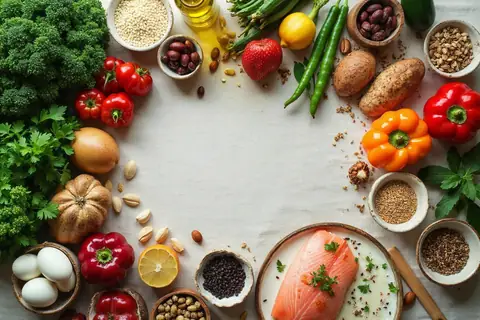
The NHS page on the vegetarian diet points out that vegetarians need to make sure they get enough iron and vitamin B12. Pulses, tofu, eggs, dairy, nuts, seeds and fortified cereals, combined with vitamin C, cover most needs. See also our guide to vitamins in everyday foods.
Eating less, absorbing well
When you eat smaller portions, each meal has to work harder. Keep a protein food, a vegetable and a wholegrain at every meal, and our page on protein needs shows how much to aim for.
Good company in the morning
A member wrote on Google that Willerby Nutrition is full of positive people all aiming for the same goal. That shared energy over breakfast, whether you come from Swanland or from Hull, helps new habits last, and the free assessment is open to anyone curious. If you feel tired all the time or have heavy periods, your GP can check your iron levels, because this guide does not replace medical advice.
Your own weight loss curve
Type in your profile and the line redraws immediately.
At the middle pace, 8 kg comes off in about 11 weeks. At the gentlest pace you are looking at about 4 months.
The usual guide for weight loss that lasts is between 500 g and 1 kg per week, which forms the best band on the chart. Keep exceeding 1 kg per week and the body burns muscle nearly as much as fat. That is the striped band.
A rough projection only. Everyone follows their own path and results differ. Your device does the sums and nothing is stored or sent. At 65 or older, see your doctor first.
The way this curve is worked out
The zone tops out at 500 g every week, the gentlest pace, and bottoms out at 1 kg every week, the level where the risk starts.
Early weeks go quicker, largely because of water, and then things level off. After 40, the typical curve flattens gradually as metabolism slows. For similar effort, men tend to shed weight slightly sooner than women.
The journey curve includes flat spells lasting several days and slight regains, just like everyday life. It cannot tell you how yours will go.
These tips are general ones. They do not stand in for medical advice.
Further reading

For help from day to day, take a look at the healthy eating programme.