Weight loss in your 50s when the family kitchen becomes a kitchen for 2

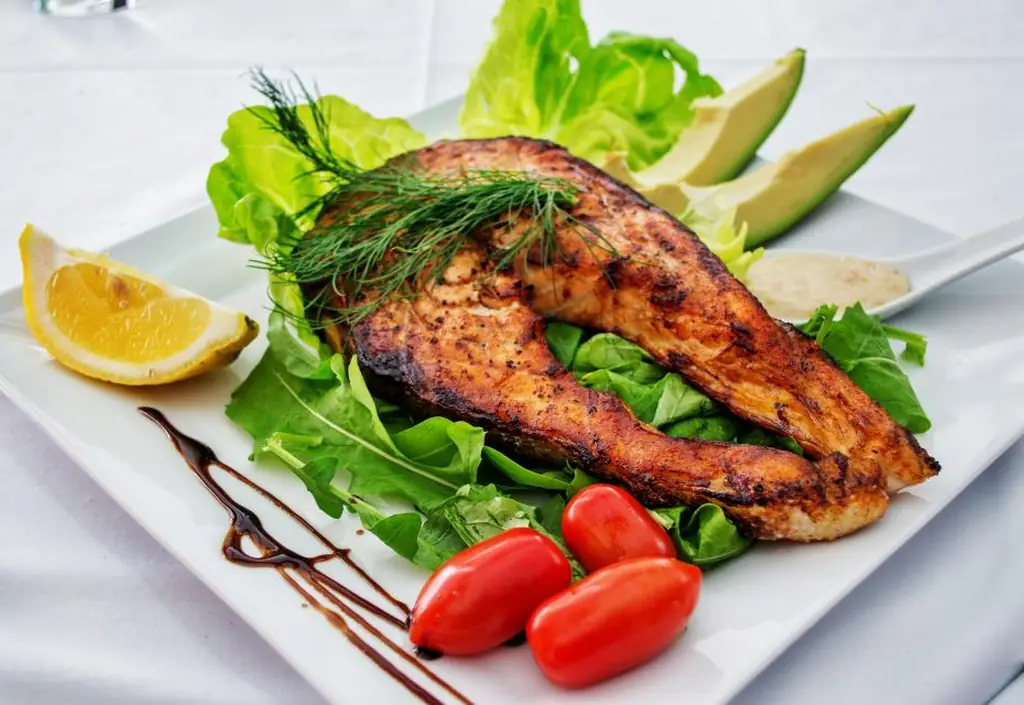
In your 50s, a quiet cause of weight gain is a kitchen that still cooks for 4 or 5 when only 2 people sit down to eat. The pans are the same size, the shop is the same size and the leftovers get finished because nobody likes waste. Resizing the kitchen is often easier than any diet.
A coach at the club looks closely at where you stand and offers the best guidance.
Book your free assessmentIn this article
The family habits that stay behind
Children leave home or start eating out more, but the routine stays. A whole packet of pasta goes in the pan. The multipack of crisps still lands in the trolley. Seconds feel normal because they always did. None of this is greed. It is simply a habit built over 20 years that has not caught up with the household.
Measuring a portion with your hand
The British Dietetic Association has a clear sheet on portion sizes using everyday measures. A portion of cooked meat is about the size of a deck of cards, and a portion of white fish is about the size of your palm. Seeing these once on your own plate is a bit of a shock for most people, and a useful lesson.
- Cook what you need. Weigh dry pasta or rice for a week until your eye learns the amount.
- Plate up in the kitchen. Serving dishes on the table invite a second helping.
- Freeze the extra straight away. A portion in the freezer is tomorrow night sorted, not a reason to finish the pan.
- Smaller plates. A dinner plate of 25cm rather than 30cm makes a normal portion look generous.
Red meat and the Sunday roast
Traditional British cooking leans on roasts, mince and sausages. The NHS advises that if you eat more than 90g of red or processed meat a day, you cut down to 70g, as explained on its page about meat in your diet. Swapping 2 meals a week for fish, chicken or beans helps both the waistline and the variety on your plate.
A new shape for the week
An emptier house can also free up time. Some couples in Kirk Ella or Anlaby use it for a walk before tea, or for trying 1 new recipe a week together. Our page on light evening meals has ideas that suit 2 people, and why muscle matters explains what to protect in this decade.
Shopping for a smaller household
Write a list for 5 meals rather than 7, because there is usually a meal out or a leftover night. Choose smaller packs, even if the bigger pack looks like better value, since food that gets eaten just to clear it costs more in the end. Loose fruit and veg let you buy exactly what you will use before it goes soft.
Meet Phillipa and Pete
Willerby Nutrition was founded by Phillipa and Pete Fox, who work alongside the other coaches trained in nutrition. Members come in for breakfast in the morning and get a daily check-in, which is where portion habits are easiest to talk through. Your free assessment is a relaxed first chat.
This is general information. Your GP or another health professional should guide any change if you have a medical condition.
Your own weight loss curve
Type in your profile and the line redraws immediately.
At the middle pace, 8 kg comes off in about 11 weeks. At the gentlest pace you are looking at about 4 months.
The usual guide for weight loss that lasts is between 500 g and 1 kg per week, which forms the best band on the chart. Keep exceeding 1 kg per week and the body burns muscle nearly as much as fat. That is the striped band.
A rough projection only. Everyone follows their own path and results differ. Your device does the sums and nothing is stored or sent. At 65 or older, see your doctor first.
The way this curve is worked out
The zone tops out at 500 g every week, the gentlest pace, and bottoms out at 1 kg every week, the level where the risk starts.
Early weeks go quicker, largely because of water, and then things level off. After 40, the typical curve flattens gradually as metabolism slows. For similar effort, men tend to shed weight slightly sooner than women.
The journey curve includes flat spells lasting several days and slight regains, just like everyday life. It cannot tell you how yours will go.
These tips are general ones. They do not stand in for medical advice.
Further reading


For help from day to day, take a look at the healthy eating programme.