Coming back to fitness. Rebuilding stamina without injury and without giving up


The safest way back to fitness is to start well below what you think you can do, add a little each week and treat any sharp pain as a signal to ease off. Motivation is high in week 1. Your tendons and joints need longer to catch up.
A coach at the club looks closely at where you stand and offers the best guidance.
Book your free assessmentIn this article
The week 2 trap
Most comebacks do not fail through laziness. They fail through enthusiasm. You run 3 times in the first week, your calves ache, a knee starts to grumble, and by week 2 you have stopped. Starting small feels slow, but it is what lets you still be moving in month 3.
Know the target, then aim lower
The UK physical activity guidelines for adults and older adults suggest 150 minutes of moderate activity a week, plus strength work on 2 days. That is the destination. If you have done very little for a year, begin with a third of it and build from there.
A first month that holds
- Weeks 1 and 2. 3 brisk walks of 15 minutes. Try a loop of Springhead Park or a flat stretch near home.
- Weeks 3 and 4. Stretch the walks to 25 minutes and add 10 minutes of simple strength moves at home, such as sit to stand from a chair and wall press-ups.
- From week 5. If you feel good, add short bursts of faster walking, a swim or a bike ride.
Aches, strains and when to stop
Feeling a bit stiff the next day is normal. A sudden sharp pain, swelling or not being able to put weight on a joint is not. The NHS page on sprains and strains explains how to recognise and care for these common injuries, and when to get help. Pause, rest and return gently rather than pushing through.
Eat for the effort
A comeback is not the moment to cut meals. Your body needs fuel and protein to recover. A proper breakfast, a lunch with vegetables and a source of protein, and water through the day are enough. Our guides on daily protein needs and water and hydration cover the detail.
Why it is worth it
The NHS summary of the benefits of exercise lists better sleep, more energy and a lower risk of many long term conditions. Those benefits come from showing up regularly, not from 1 heroic session. If you are not sporty at all, our article on losing weight without the gym offers other routes.
Company makes it easier
A Google reviewer, Mike Ives, describes the club as full of positive people all aiming for the same goal. That kind of company helps on the mornings when the trainers stay by the door. At Willerby Nutrition, members have breakfast together and get daily follow-up from coaches trained in nutrition, and the free assessment is a good place to set a realistic starting point. If you have a heart condition, joint problems or have not exercised for a long time, check with your GP before you start.
Moving and recovering


Your own weight loss curve
Type in your profile and the line redraws immediately.
At the middle pace, 8 kg comes off in about 11 weeks. At the gentlest pace you are looking at about 4 months.
The usual guide for weight loss that lasts is between 500 g and 1 kg per week, which forms the best band on the chart. Keep exceeding 1 kg per week and the body burns muscle nearly as much as fat. That is the striped band.
A rough projection only. Everyone follows their own path and results differ. Your device does the sums and nothing is stored or sent. At 65 or older, see your doctor first.
The way this curve is worked out
The zone tops out at 500 g every week, the gentlest pace, and bottoms out at 1 kg every week, the level where the risk starts.
Early weeks go quicker, largely because of water, and then things level off. After 40, the typical curve flattens gradually as metabolism slows. For similar effort, men tend to shed weight slightly sooner than women.
The journey curve includes flat spells lasting several days and slight regains, just like everyday life. It cannot tell you how yours will go.
These tips are general ones. They do not stand in for medical advice.
Further reading

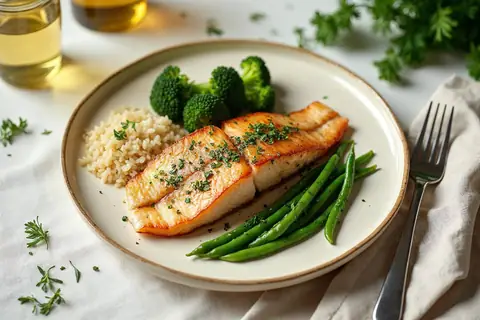
For help from day to day, take a look at the healthy eating programme.