Carbs and weight loss, no carbs after 6pm and other myths about when to eat them

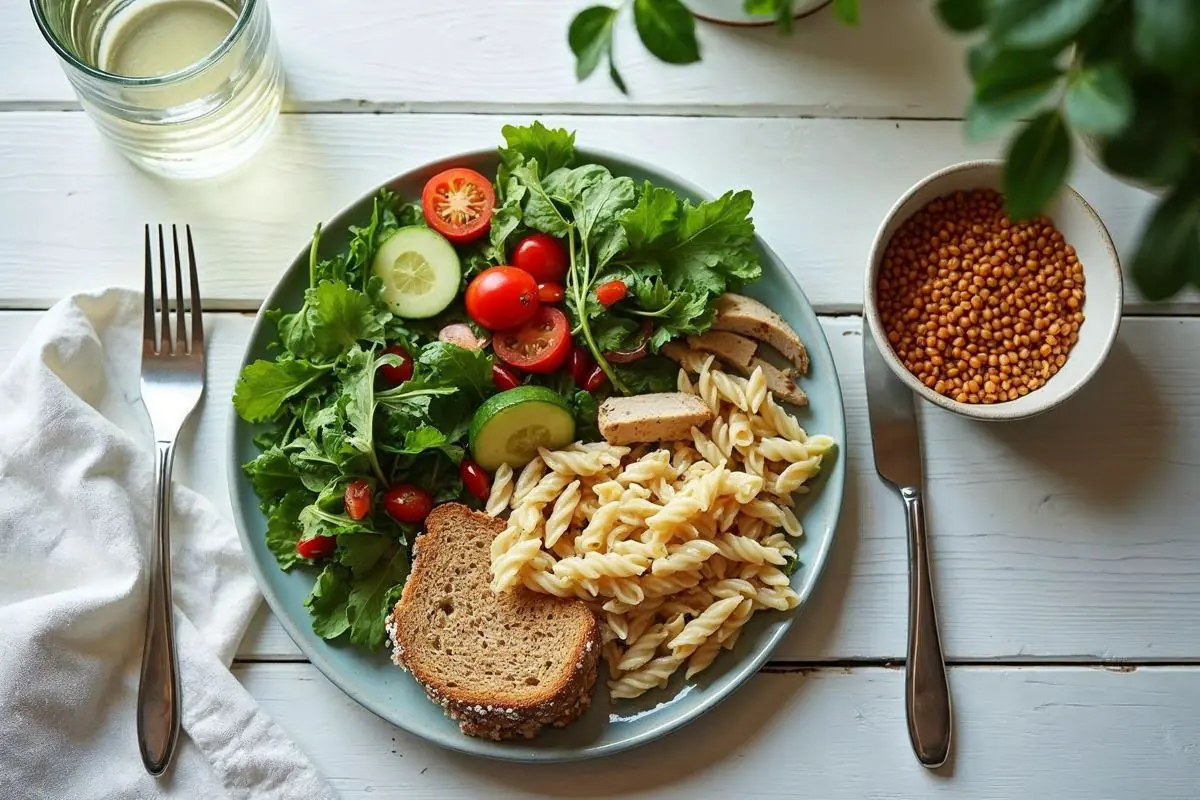
For your weight, the amount and the type of carbohydrate you eat matter far more than the hour on the clock. A potato at 8pm is no more fattening than the same potato at 1pm.
A coach at the club looks closely at where you stand and offers the best guidance.
Book your free assessmentIn this article
Myth 1, no carbs after 6pm
The body uses energy around the clock, including at night. Rules like this sometimes work, but for another reason. They cut out the evening biscuits, crisps and toast eaten in front of the television. If you work late shifts or get home after 7pm, a sensible tea with rice or potatoes is fine. Our page on light evening meals has ideas for those late finishes.
Myth 2, carbs only before exercise
Starchy food is not just sports fuel. It provides energy, fibre, B vitamins and other nutrients whether you run or not. The NHS page on the Eatwell Guide says starchy foods should make up just over a third of what we eat, with higher fibre or wholegrain versions where possible.
Myth 3, brown or white makes no difference
Wholegrain and white versions hold similar calories, but not the same fibre. Wholemeal bread, brown rice, wholewheat pasta and potatoes eaten in their skins keep more of it. Our guide to high-fibre foods on a budget lists the cheapest swaps.
Speed matters more than timing
Some carbohydrate foods raise blood sugar quickly, others slowly. Diabetes UK explains the idea on its page about the glycaemic index. Lentils, beans, rye bread and coarse oatmeal are low, while white bread and sugary drinks are high. The same page warns that the index ignores portion size, which often counts for more.
Portions you can see
- Rice or pasta, about the size of your fist when cooked.
- Potatoes, 2 or 3 egg sized new potatoes or 1 medium jacket.
- Bread, 2 slices of wholemeal for a sandwich lunch.
- Porridge, a small mug of oats before cooking.
Pair each portion with vegetables and a protein food and the plate stays balanced. For the full picture of a day, see our page on daily calories for weight loss.
Sugar is the real target
The habits that add up quietly are sugary drinks, sweets, pastries and sweetened cereals. Cutting those first, while keeping bread, rice and potatoes is easier to sustain than any no-carb rule, and it leaves room for a slow-cooked casserole after a walk round Springhead Park.
At the club
Willerby Nutrition holds a 5 out of 5 rating on Google from its members, who meet for breakfast at the club each morning with daily follow-up. A free assessment is the first step. If you have diabetes, talk to your GP or diabetes team before changing your carbs, as this article does not replace medical advice.
Your own weight loss curve
Type in your profile and the line redraws immediately.
At the middle pace, 8 kg comes off in about 11 weeks. At the gentlest pace you are looking at about 4 months.
The usual guide for weight loss that lasts is between 500 g and 1 kg per week, which forms the best band on the chart. Keep exceeding 1 kg per week and the body burns muscle nearly as much as fat. That is the striped band.
A rough projection only. Everyone follows their own path and results differ. Your device does the sums and nothing is stored or sent. At 65 or older, see your doctor first.
The way this curve is worked out
The zone tops out at 500 g every week, the gentlest pace, and bottoms out at 1 kg every week, the level where the risk starts.
Early weeks go quicker, largely because of water, and then things level off. After 40, the typical curve flattens gradually as metabolism slows. For similar effort, men tend to shed weight slightly sooner than women.
The journey curve includes flat spells lasting several days and slight regains, just like everyday life. It cannot tell you how yours will go.
These tips are general ones. They do not stand in for medical advice.
Further reading


For help from day to day, take a look at the healthy eating programme.