High-fibre foods that cost little, from the tin, the freezer and the cupboard

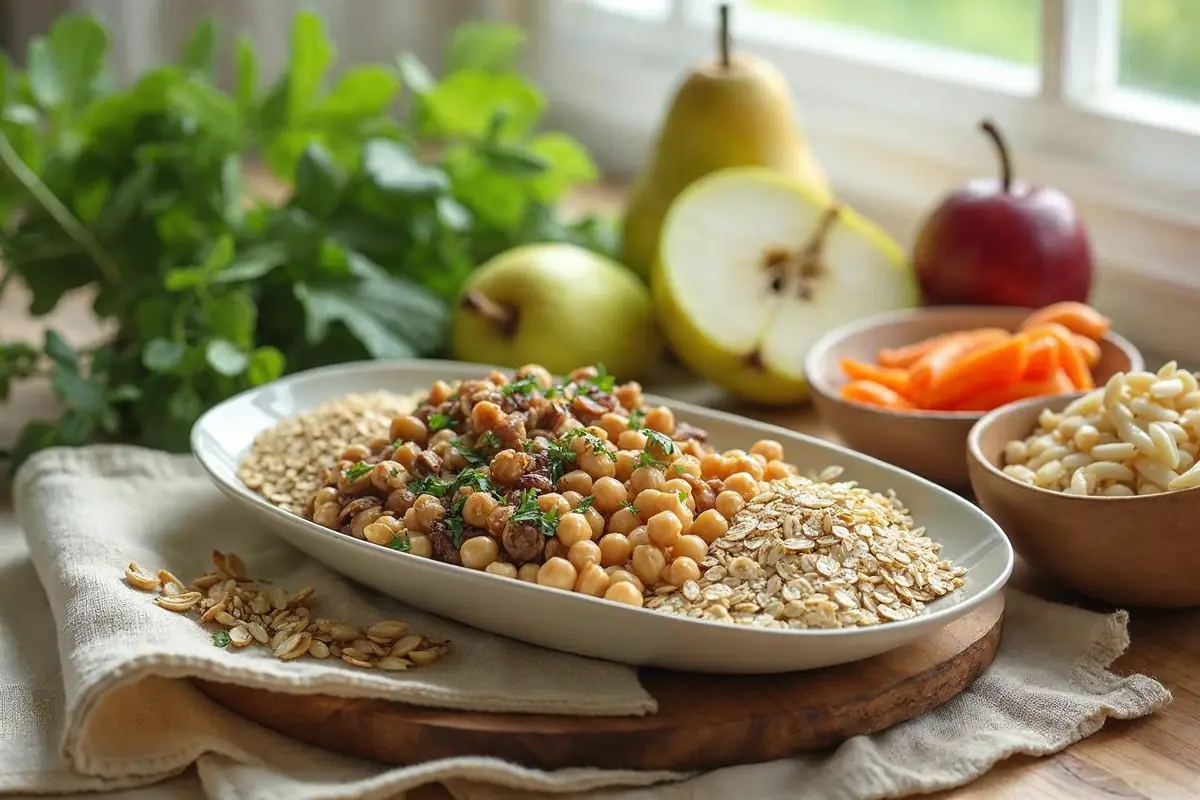
The cheapest high-fibre foods in a UK supermarket are porridge oats, tinned beans and lentils, frozen vegetables and wholemeal bread, and none of them needs a special shop. Fibre does not have to come from pricey seeds or health food aisles.
A coach at the club looks closely at where you stand and offers the best guidance.
Book your free assessmentIn this article
How much you are aiming for
UK advice is 30g of fibre a day for adults, and most of us eat well below that. The BDA fact sheet on wholegrains and what they contain explains that the bran and the germ hold most of the goodness, and that wholegrains can contain up to 75% more nutrients than refined cereals. Choosing the brown version of foods you already buy is the easiest first step.
The cupboard
- Porridge oats, often the best value food in the shop.
- Wholewheat pasta and brown rice, cooked the same way as white.
- Tinned chickpeas, kidney beans, butter beans and lentils.
- Wholemeal or seeded bread, which also freezes well.
- Dried fruit in small amounts, eaten with a meal rather than as a snack.
The freezer
Frozen peas, sweetcorn, spinach and mixed vegetables cost little and never wilt at the back of the fridge. The NHS page on 5 A Day portion sizes confirms that tinned and frozen fruit and vegetables count, with an adult portion of 80g. It adds that beans and pulses only count as 1 portion a day however much you eat. A handful of frozen berries on porridge gives a fibre-rich breakfast even in January.
The tin opener
A tin of lentils or beans stirred into a bolognese or a chilli adds fibre and protein and makes the pan stretch to another meal. Rinse them first to wash away some of the salty water. For fruit, pick tins in juice rather than syrup. Tinned tomatoes, sweetcorn and carrots are worth keeping in too, for the evenings when the fridge is empty and a takeaway is tempting.
A cheap fibre day
Porridge with frozen berries in the morning. A wholemeal sandwich and an apple at lunch. A bean and vegetable chilli with brown rice for tea. That simple day comes close to the 30g target without any special product.
Go gently
A sudden jump in fibre can leave you bloated. Add 1 new food every few days and drink a little more water as you go. If your bowel habits change for no clear reason, see your GP. This article shares general information and is not a substitute for medical advice.
A fibre-rich start at the club
At Willerby Nutrition, at 24 Main Street, members have breakfast at the club before heading off along the A164 or into Hull, with daily follow-up from the coaches. A free assessment is the easiest way to start. To go further, read our pages on feeling fuller for longer and on carbs and weight loss.
Your own weight loss curve
Type in your profile and the line redraws immediately.
At the middle pace, 8 kg comes off in about 11 weeks. At the gentlest pace you are looking at about 4 months.
The usual guide for weight loss that lasts is between 500 g and 1 kg per week, which forms the best band on the chart. Keep exceeding 1 kg per week and the body burns muscle nearly as much as fat. That is the striped band.
A rough projection only. Everyone follows their own path and results differ. Your device does the sums and nothing is stored or sent. At 65 or older, see your doctor first.
The way this curve is worked out
The zone tops out at 500 g every week, the gentlest pace, and bottoms out at 1 kg every week, the level where the risk starts.
Early weeks go quicker, largely because of water, and then things level off. After 40, the typical curve flattens gradually as metabolism slows. For similar effort, men tend to shed weight slightly sooner than women.
The journey curve includes flat spells lasting several days and slight regains, just like everyday life. It cannot tell you how yours will go.
These tips are general ones. They do not stand in for medical advice.
Further reading

For help from day to day, take a look at the healthy eating programme.