Your body after a baby. Recovering first and eating well on very little sleep

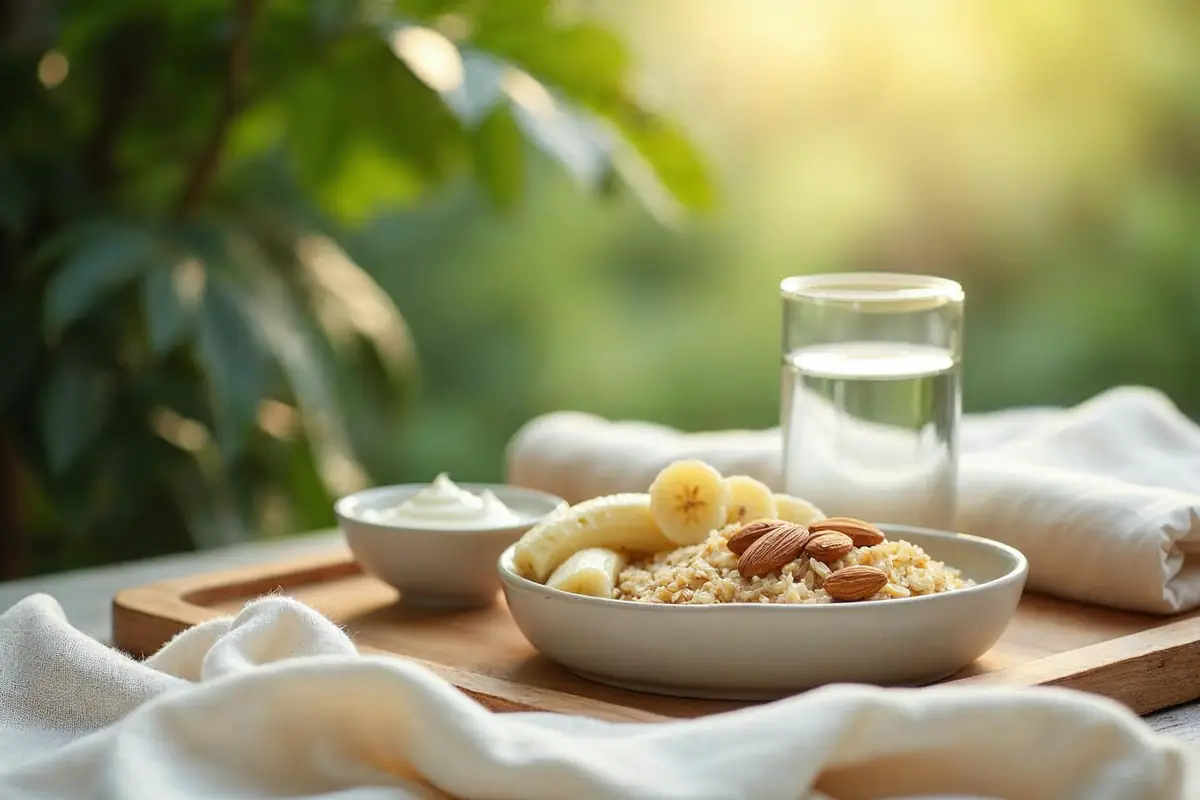
After having a baby, focus first on recovering and eating well, wait for your postnatal check before building up exercise, and let any weight change come gradually over months, not weeks. Your body has done something huge. Rest and food are part of the work, not a break from it.
A coach at the club looks closely at where you stand and offers the best guidance.
Book your free assessmentIn this article
The first weeks belong to recovery
Bleeding, stitches, a caesarean scar, broken nights and feeding around the clock. The NHS guide to your post-pregnancy body covers common changes, from pelvic floor weakness to separated stomach muscles, and reminds you that a GP or health visitor can help at any time. It also explains that the postnatal check at around 6 to 8 weeks is the right moment to talk about how you are feeling, in body and mind.
Food you can eat with a baby in your arms
- Overnight oats or porridge prepared the night before
- Wholemeal toast with eggs or peanut butter
- Chopped fruit and a pot of yoghurt kept at eye level in the fridge
- A big pan of soup or chilli, frozen in single portions
When friends in Anlaby or Cottingham ask what they can bring, say a meal for the freezer. Keep a glass of water wherever you feed, as many new mums feel very thirsty.
Help with the shopping
If you have a child under 4, you may be eligible for the NHS Healthy Start scheme, which gives a card with money for milk, fruit, vegetables and pulses, and free vitamins for pregnancy and breastfeeding. It is worth checking, as many eligible families never apply.
Moving again, gently
Short walks with the pram are a lovely way to start, perhaps along the river near the Humber Bridge when you feel ready. Pelvic floor exercises can begin early. The NHS physical activity guidelines advise that after your 6 to 8 week postnatal check you can build up to more intense activity if you feel able, and that vigorous exercise is not recommended if you were inactive before pregnancy.
About the scales
Some weight goes in the first days. The rest usually takes many months, and that is normal. Strict dieting while you are short of sleep tends to leave you exhausted and hungrier. Regular meals with protein, vegetables and wholegrains are kinder and more sustainable. Our guides to a good breakfast and snack ideas make it easier.
Mood matters as much as shape
Feeling tearful in the first days is common. Feeling low, anxious or unable to cope for more than 2 weeks is a reason to speak to your GP or health visitor straight away.
When you are ready for a routine
Phillipa and Pete Fox, who founded Willerby Nutrition, work alongside the rest of the coaches, all trained in nutrition. Members have breakfast at the club in the morning with daily follow-up, and the free assessment goes at your pace. If you are breastfeeding or still recovering from the birth, check with your GP or midwife before changing what you eat.
Your own weight loss curve
Type in your profile and the line redraws immediately.
At the middle pace, 8 kg comes off in about 11 weeks. At the gentlest pace you are looking at about 4 months.
The usual guide for weight loss that lasts is between 500 g and 1 kg per week, which forms the best band on the chart. Keep exceeding 1 kg per week and the body burns muscle nearly as much as fat. That is the striped band.
A rough projection only. Everyone follows their own path and results differ. Your device does the sums and nothing is stored or sent. At 65 or older, see your doctor first.
The way this curve is worked out
The zone tops out at 500 g every week, the gentlest pace, and bottoms out at 1 kg every week, the level where the risk starts.
Early weeks go quicker, largely because of water, and then things level off. After 40, the typical curve flattens gradually as metabolism slows. For similar effort, men tend to shed weight slightly sooner than women.
The journey curve includes flat spells lasting several days and slight regains, just like everyday life. It cannot tell you how yours will go.
These tips are general ones. They do not stand in for medical advice.
Further reading


For help from day to day, take a look at the healthy eating programme.